बुनियादी हाथ के टांके - Basic Hand Stitches
Sewing machine tez chalati lekin sheerm, linings, buttons, delicate fabrics aur tight corners hand se better honge. Is guide mein teen un stitchein cover kiye gaye hain jo beginner ke liye kaam ki hongi।
सिलाई शुरू करने से पहले
Good hand sewing preparation se aur skill se nahi hoti। Some habits farq padte hain neat stitches aur gando mein.
- Thread length: forearm se lehar na, log 45 se 50 cm. Longer thread tangles aur knots.
- Needle: fabric se match karein. Silk ya cotton lawn ke liye fine needle, denim aur canvas ke liye sturdier. Needle jada tez kapde mein hole banaati hai; jada kam tension mein bend ho sakti hai。
- Needle thread karein aur knot lagein. Simple overhand knot kaafi hoti lekin delicate fabric ke liye tiny knot ya quilter's knot sahi hoti hai。
- Fabric press karein pehle. Wrinkled cloth uneven stitches bana deti hai。
- Guide line chalk se mark karein agar seekh rahe hain. Same length aur spacing pahnchenewale har stitch ko aim karein।
Sewing and stitching worth owning
The everyday kit: needles, thread, rippers and machines.
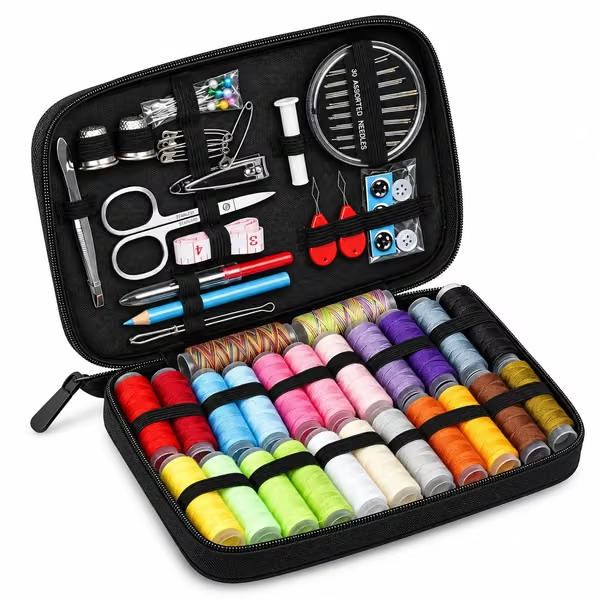
Sewing and stitching
98-piece sewing kit with storage bag (opens on Amazon in a new tab)
Needles, thread, scissors and odds and ends in one zip case.
- One purchase covers hand-sewing basics
- Packs flat for travel or a drawer
Best for: Hand finishing, basting and quick repairs.
Check price for 98-piece sewing kit with storage bag (opens in a new tab)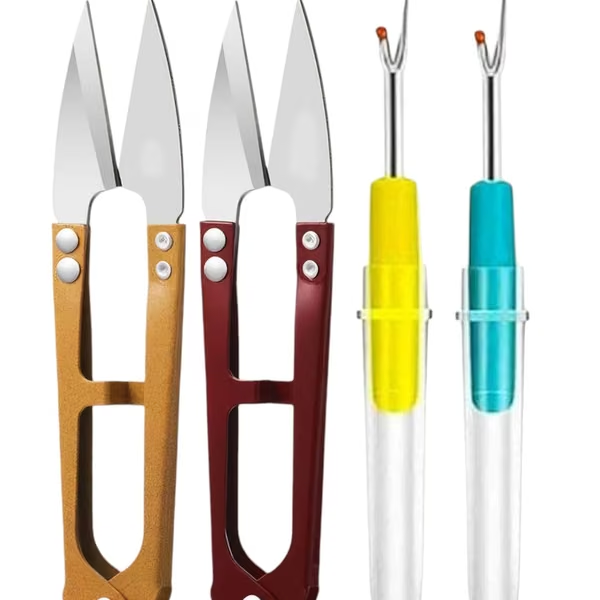
Sewing and stitching
Seam ripper and thread snip set, 4 pieces (opens on Amazon in a new tab)
Two rippers and two thread scissors for undoing stitches without tears.
- Different sizes for seams and buttonholes
- Cheap enough to keep in every kit
Best for: Fixing mistakes, opening buttonholes and removing old stitching.
Check price for Seam ripper and thread snip set, 4 pieces (opens in a new tab)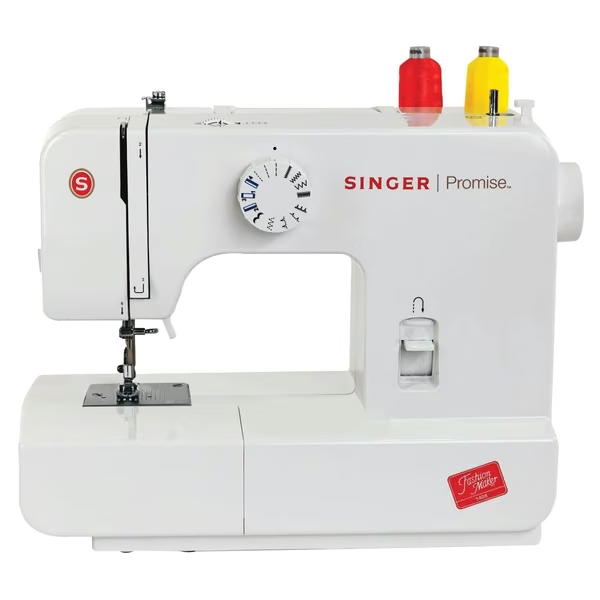
Sewing and stitching
SINGER 1408 sewing machine, 8 built-in stitches (opens on Amazon in a new tab)
A metal-framed machine with 21 stitch functions and a free arm.
- 800 stitches per minute for everyday seams
- 4-step buttonhole and snap-on presser foot
Best for: A first machine for dressmaking, alterations and home sewing.
Check price for SINGER 1408 sewing machine, 8 built-in stitches (opens in a new tab)Running stitch
Sabse simple stitch: needle fabric mein andar bahar jaati रहती है dashed line banati है। yeh tez aur light hai, isliye gathering, basting aur temporary seams ke liye ideal hai。
When to use it: basting, gathering, quick seams jo dobara machine se sew honge, aur quilting。
Even rahe ke liye: needle par multiple stitch lein par pull karein lekin bites small rahein aur consistent. Long stitches fabric ko pucker karte hain。
Backstitch
Sabse strong hand stitch. Har stitch previous se meet hoti है, continuous solid line banati है। right side se dekhne par machine stitch jaise lagti है।
When to use it: seams jo strength chahiye, torn seam repair, leather ya heavy fabric sewing, aur machine nahi poohch sakti jagah。
Even rahe ke liye: stitch length short aur consistent rakhein. Short backstitches strong hoti hain; long ones gap aur weaken hoti hain。
Slip stitch (ladder stitch)
Invisible stitch jo do folded edges join karta है ya opening close karta है। needle ek side se small bite lete hain, phir doosri side, thread ladder bana deta hai jise pull karne par disappear ho jata है।
When to use it: pillow covers close, stuffed toys, linings, aur hems jahan stitch dikhna chahiye nahi。
Even rahe ke liye: small bites lein, gentle tension rakhein, aur sirf kutch baad mein thread pull karein so ladder flat rahe।
Blanket stitch
Decorative edge stitch jo looped edge banati है। needle fabric se guzarte hain aur thread needle ke around loop bana dete hain jise pull karne par tight hote hain। neat, reinforced edge banati है।
When to use it: raw edges finish, applique, felt work, aur blanket aur tea towels ke decorative edges。
Even rahe ke liye: stitch spacing aur depth identical rakhein। Blanket stitch jo depth badlti hai messy lagti hai; even lagti to intentional lagti hai।
Whip stitch
Quick overcasting stitch jo fabric ke edge thread ko wrap karta है। tez aur functional se zyada beautiful nahi hoti।
When to use it: raw edges finish quick, knit hemming, stuffed items seams close, aur temporary fixes。
Even rahe ke liye: spacing consistent rakhein aur light tension rakhein। zyada tight pull karne se edge pucker hoti hai।
Catch stitch (herringbone)
Zigzag stitch jo hem ko garment se catch karta है bina right side par dikhaye। flexible hoti hai aur fabric movement allow karti hai, isliye wool ya jersey ke liye ideal hoti है।
When to use it: trousers, skirts aur coats hem, खासतौर से wool ya jersey, aur hem jiska movement saath honā chahiye।
Even rahe ke liye: small stitches rakhein aur crosses shallow rakhein। stitch sirf garment fabric ke ek ya do thread capture karein。
Right stitch choose करें
| Job | Stitch | Why |
|---|---|---|
| Basting ya gathering | Running stitch | Fast aur easy to remove |
| Strong seam by hand | Backstitch | Continuous, durable line |
| Invisible closure | Slip stitch | Thread fold mein disappear ho jata hai |
| Decorative edge | Blanket stitch | Reinforced, visible loop |
| Quick edge finish | Whip stitch | Fast aur functional |
| Flexible hem | Catch stitch | Fabric saath move karta hai |
Effective practice
Har stitch ka row scrap fabric par siley jo same fabric jisse aap garment banayenge, phir compare karein. Baack dekhein saath mein — jo stitch up pe toh neat lagti hai lekin neeche ganda hai, woh hold nahi karegi。
- Start with running stitch aur backstitch; yein tension aur spacing sikhati hain।
- Slip stitch practice jab aap small aur even bites le sakte hain tab tak karein।
- Blanket stitch practice felt par karein, jiska fray nahi hota aur loops clearly dikhti hai।
- Heavy fabric ke liye thimble use karein; finger protect karta hai aur needle ko control ke saath push kar sakte hain।
आगे के कदम
hand sewing steady ho jaye to, garment fitting problems aur kaise fix karein parein, aur essential tailoring tools ke baarein jo needles, thread aur marking tools hand work ko easier banate hain।
Frequently asked questions
what if mere paas machine hai, phir bhi hand stitches chahiye?
Machine tez chalati lekin hems, linings, buttons, delicate fabrics aur tight corners hand se better honge. Most garments mein machine aur hand dono ka istemal hota hai।
hand sewing ke liye kaunsa thread use karein?
fabric weight aur fibre ke anusar thread select karein. Cotton thread cotton ke liye, silk thread silk ke liye, aur polyester most synthetics ke liye. Color match karein invisible ke liye, ya contrast karein decorative stitches ke liye।
Mere stitches uneven kyun lagte hain?
Usually stitch length har stitch ke saath badlti hai. Chalk se guide line mark karen aur same length aur spacing pahnchenewale har stitch ko try karein. scrap fabric par practice karein pehenche garment parane se pehle।
Thread tangling kaise rokhein?
Thread length forearm se lehar na — log 45–50 cm. Haan, thread ko halki tarah wax karen, aur occasionally let the needle dangle twist untangle karein। Shorter thread slow par far less frustrating hoti hai।